
Why Consistent Landscape Maintenance Matters for Oʻahu HOAs
The landscaping around a residential community is part of everyday life. Residents see it when they leave for work, walk their dogs, or bring their children outside to play. Visitors notice it before reaching the front door. For homeowners associations, those shared outdoor spaces help shape how the entire property feels.
Keeping them attractive takes more than an occasional mow. Lawns, shrubs, trees, irrigation, and walkways all need attention. With consistent HOA landscape maintenance on Oʻahu, communities can keep their grounds welcoming while addressing small problems before they become larger projects.
Create a Welcoming First Impression
A community’s entrance sets expectations. Overgrown shrubs, weeds along curbs, and uneven grass can make a property feel overlooked, even when the buildings themselves are well maintained.
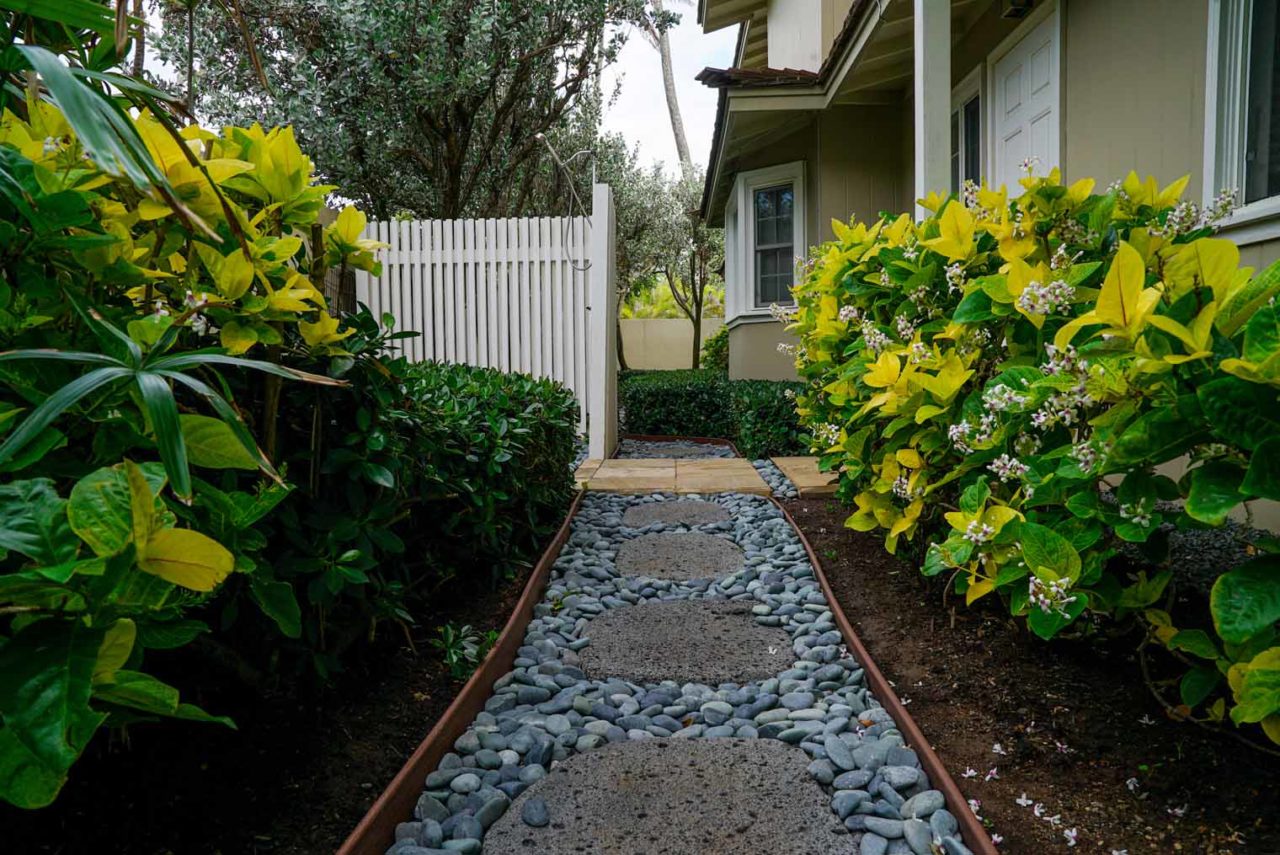
Regular landscaping brings those details together. Defined lawn edges, maintained planting beds, and thoughtfully trimmed greenery create a more orderly appearance. Entry signs remain visible, pedestrian areas feel inviting, and shared spaces look cared for.
For HOA boards and property managers, consistency matters across the entire property. The entrance deserves attention, but so do parking areas, side walkways, and less visible corners that residents use every day.
Plan for Different Growing Conditions
Oʻahu properties can have very different landscaping needs. A sunny, exposed lawn may need a different approach from a shaded planting bed. Wind, rainfall, foot traffic, and irrigation coverage can also vary within the same community.
A useful maintenance plan accounts for those differences. Applying the same watering, trimming, or mowing approach everywhere can overlook what individual areas actually need.
Routine observation helps identify patterns. Perhaps one lawn section stays wet while another dries out quickly. A hedge may grow into a walkway faster than nearby plantings. Recognizing these differences allows maintenance to respond to the property instead of following a rigid checklist.
Give Irrigation Regular Attention
Irrigation is easy to overlook when the landscape appears healthy. However, a broken sprinkler head or poorly aimed spray can waste water while leaving plants without adequate coverage.
Regular checks can reveal sprinklers spraying onto pavement, damaged heads, blocked coverage, or areas receiving uneven watering. These issues are easier to address when someone is paying attention throughout the month.
Watering schedules should also reflect actual conditions. Rainfall, sun exposure, and plant needs all matter. Keeping irrigation under review helps support healthier landscaping and gives property managers a clearer understanding of where water is going.
Keep Walkways and Common Areas Clear
Landscaping should support the way residents move through a community. Branches extending across sidewalks, vegetation covering signs, and plant growth narrowing access routes can make everyday spaces harder to use.
Routine trimming helps maintain clear paths around buildings, parking lots, mailboxes, and recreation areas. Removing landscape debris also keeps these spaces looking orderly.
For communities with playgrounds or gathering areas, maintenance should account for those uses. Crews need to consider access, visibility, and the people spending time nearby. A landscape can look lush while still leaving enough room for residents to enjoy it comfortably.
Address Small Problems Early
A thinning patch of grass, a struggling shrub, or a recurring puddle can provide useful information about the property. These issues may point to irrigation problems, concentrated foot traffic, drainage concerns, or unsuitable growing conditions.
Simply repeating the same maintenance routine may leave the underlying problem unresolved.
Consistent landscape care creates opportunities to notice changes and discuss the next step. Some problems need a straightforward adjustment. Others may require a separate assessment or improvement project. Identifying the issue early gives HOA boards more time to evaluate options and plan their spending.
Make Maintenance Easier to Manage
HOA boards often balance landscaping with building repairs, resident requests, and other property responsibilities. A clear maintenance scope makes one part of that workload more predictable.
The plan should establish which areas receive service, what routine work includes, and how additional needs are communicated. It should also distinguish recurring maintenance from larger projects, such as replacing planting beds or improving irrigation.
Clear expectations help boards review performance and understand recommendations. They also make it easier to explain landscaping decisions to residents, especially when a project requires additional funding or temporarily affects a shared space.
Support Long-Term Landscape Health
Good maintenance considers how the landscape will develop over time. Plants need room to mature, and pruning should account for their growth habits. Repeatedly cutting an unsuitable plant back into a small space can create ongoing work without solving the original problem.
Looking at the bigger picture helps communities make practical improvements gradually. Replacing struggling plants, adjusting bed layouts, or addressing worn lawn areas can become part of a longer-term plan.
Work With Koʻolau Landscaping
Koʻolau Landscaping helps care for HOA communities and commercial properties on Oʻahu. Consistent attention to lawns, planting areas, irrigation, and shared grounds helps keep properties welcoming throughout the year.
Contact Koʻolau Landscaping to discuss your community’s needs and develop a maintenance plan that fits your property.