
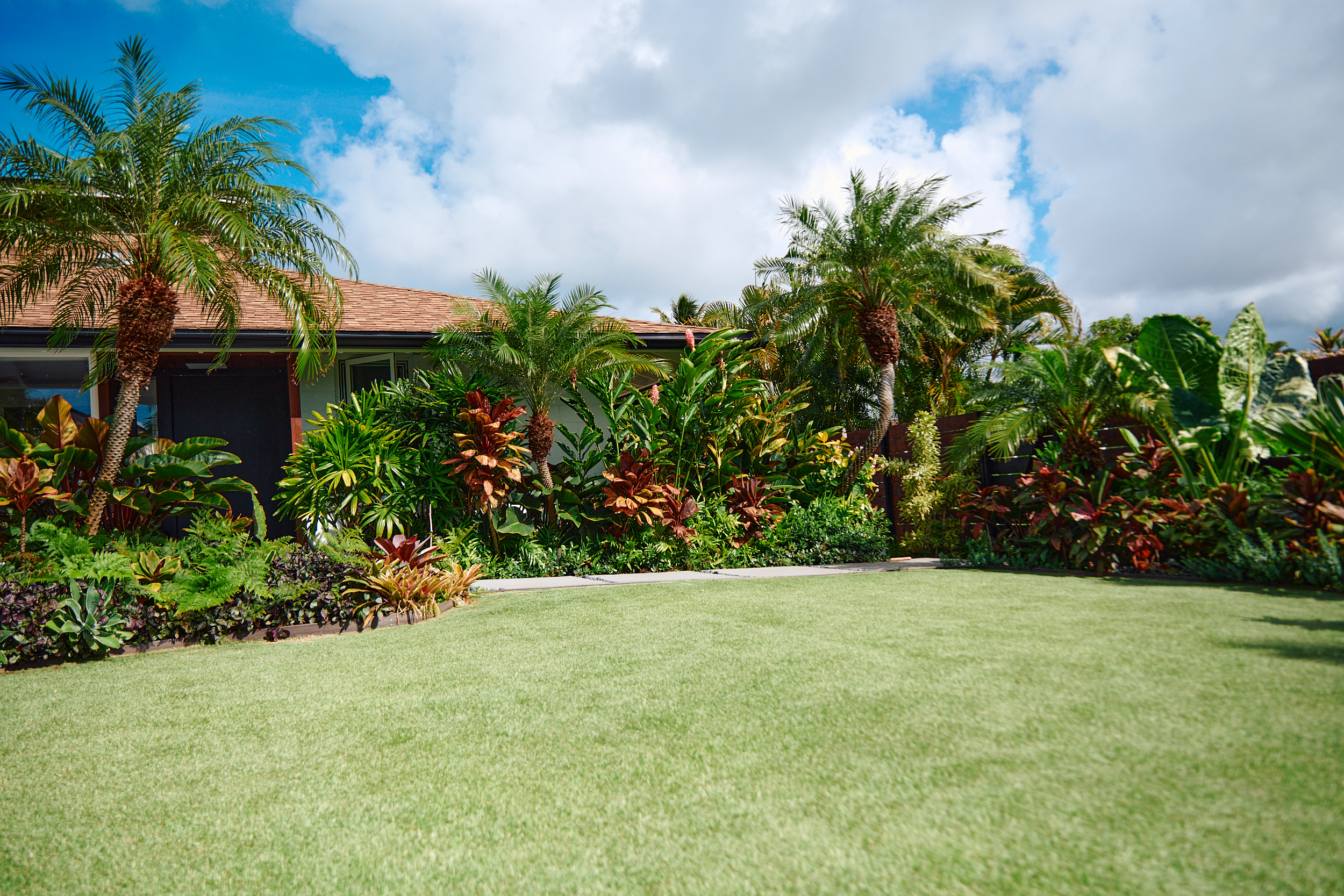
If you are planning a landscape installation in Kahala, the most helpful first step is not digging or moving anything yourself. It is getting clear on scope, access, and expectations before the crew arrives. A good pre-installation plan helps your project start smoothly, protects existing features you want to keep, and makes it easier to confirm who is responsible for what.
This guide is a practical worksheet for homeowners preparing for a residential landscape project. It focuses on the questions to answer before work begins, the yard details to document, and the handoff items to confirm at the end. For residential landscaping support, see Ko'olau Landscaping’s residential landscaping services and full services page.
What should you decide before a landscape installation starts?
Start with the outcome you want. The clearer your priorities are, the easier it is to align the design, the schedule, and the preparation steps.
Ask yourself:
- What parts of the yard are changing?
- What should stay in place?
- Are you focused on appearance, function, drainage, privacy, planting, or easier maintenance?
- Do you want a full renovation or a smaller set of improvements?
- Is this a one-time project or part of a recurring care plan?
If you are not sure how to define the scope, write down the problem you want solved instead of trying to use technical terms. For example, you might note that a side yard feels underused, a lawn area is difficult to maintain, or an irrigation issue needs attention as part of the project.
What existing features should be documented?
Before any installation begins, identify what is already in the yard and what you want to preserve. This reduces confusion later and helps avoid accidental removal or damage.
Use a simple checklist:
- Trees, shrubs, and plants you want to keep
- Hardscape features such as paths, edging, or walls
- Irrigation components that are visible above ground
- Lighting fixtures or wiring that should remain undisturbed
- Decorative items, furniture, or structures
- Gate locations, paths, and areas used for access
- Any areas with standing water, erosion, or weak ground
Take photos from several angles and keep them with your project notes. If there are items you are unsure about, flag them as questions for review rather than assuming they will remain unchanged.
What access questions should you confirm?
Access planning is one of the most practical parts of preparing a yard for installation. It helps the crew move materials and work efficiently without creating avoidable disruption.
Confirm these details in writing:
- Which gates or paths will be used for entry and exit?
- Where should materials be staged?
- Are there areas that must stay open for daily use?
- Will any temporary access be needed through side yards or service paths?
- Are there parts of the property that should remain private during work hours?
- Who should be notified before crews arrive?
If your property has specific privacy concerns, ask how access will be handled rather than guessing. For example, you may want to know whether a certain gate should stay closed, whether equipment should avoid a particular area, or whether there are preferred arrival windows.
How should you handle pets, children, and daily routines?
Before installation begins, think through the household routines that may be affected. Even a well-organized project can be inconvenient if the daily schedule is not considered in advance.
Questions to answer:
- Will pets need to be kept indoors or away from work areas?
- Are there times when the yard must remain accessible for children, deliveries, or other routines?
- Is there a preferred start time that works best for the household?
- Are there days when access should be limited or avoided?
These are planning questions, not technical ones. The goal is simply to make sure the project fits the way you use the property.
What should be agreed on before work starts?
A strong installation plan is built on a written scope. That scope should describe what is included, what is excluded, and who is responsible for each prep task.
Useful questions include:
- Who will remove furniture, pots, or personal items?
- Who is responsible for clearing small loose objects from the yard?
- Will existing plants be relocated, replaced, or removed?
- Are temporary protections needed for nearby surfaces or features?
- What should happen if the crew finds an unexpected condition during the project?
- How will any requested changes be approved?
Keep the agreement simple and specific. If something matters to you, write it down before the project starts.
What should you ask about irrigation, drainage, and lighting?
Some projects include irrigation repair or installation, drainage work, or lighting updates. Rather than trying to diagnose issues yourself, focus on what you want reviewed and what should be included in the scope.
You can ask:
- Should the irrigation system be reviewed as part of the project?
- Are there visible leaks, dry spots, or coverage concerns to note?
- Is drainage part of the planned work?
- Will any lighting be added, adjusted, or replaced?
- Are these items part of the same installation or separate phases?
Ko'olau Landscaping lists irrigation installation and repair among its services, along with design, installation, maintenance, renovations, and cleanups. If those elements matter to your project, make sure they are named clearly in the scope discussion.
What completion information should you agree on before installation?
When the project is complete, ask for a brief walkthrough so you understand what was installed, what was changed, and how to care for the finished yard.
A practical handoff can cover:
- What was completed in the final scope
- Any areas that should be left undisturbed temporarily
- Initial care instructions for new plants or installed features
- Which routine maintenance tasks should happen next
- Whether any follow-up visit or check-in is expected
If the project includes new plantings or renovated areas, ask what the first few weeks of care should look like in general terms. Ask the project team for plant- and site-specific care instructions and a contact for questions.
Simple pre-installation worksheet
Use this quick worksheet before your project starts:
Project goal: What do I want this installation to accomplish?
Keep in place: Which trees, plants, fixtures, or features must remain?
Remove or replace: What is changing in this phase?
Access plan: Which gates, paths, or staging areas will be used?
Privacy concerns: Are there areas that should stay closed or limited during work?
Household routines: What schedule details matter for pets, children, or deliveries?
Included services: Is the project including irrigation, drainage, lighting, or renovation work?
Handoff: What care or follow-up should be explained at completion?
Common questions homeowners ask
Do I need to clear the whole yard first?
Not always. The better question is which items need to be moved before work starts and which can stay in place. Confirm that in the written scope.
Should I decide the exact layout before the crew arrives?
You should have a clear idea of the goal and the features you want to keep, but the final layout should be confirmed through the project plan.
What if I want to keep some existing plants?
Mark them clearly and include them in your project notes. If you are unsure whether they can remain, ask that question before work begins.
Can irrigation or lighting be handled at the same time?
That depends on the project scope. If those items matter to your plan, ask whether they are included from the start.
Ready to plan your residential landscape project?
If you are preparing for a landscape installation in Kahala, the most useful next step is a clear scope conversation. List what you want changed, what you want preserved, and what access or handoff details matter most.
For residential landscaping support, explore Ko'olau Landscaping’s services page or residential landscaping page, then contact the team here to discuss your project.