
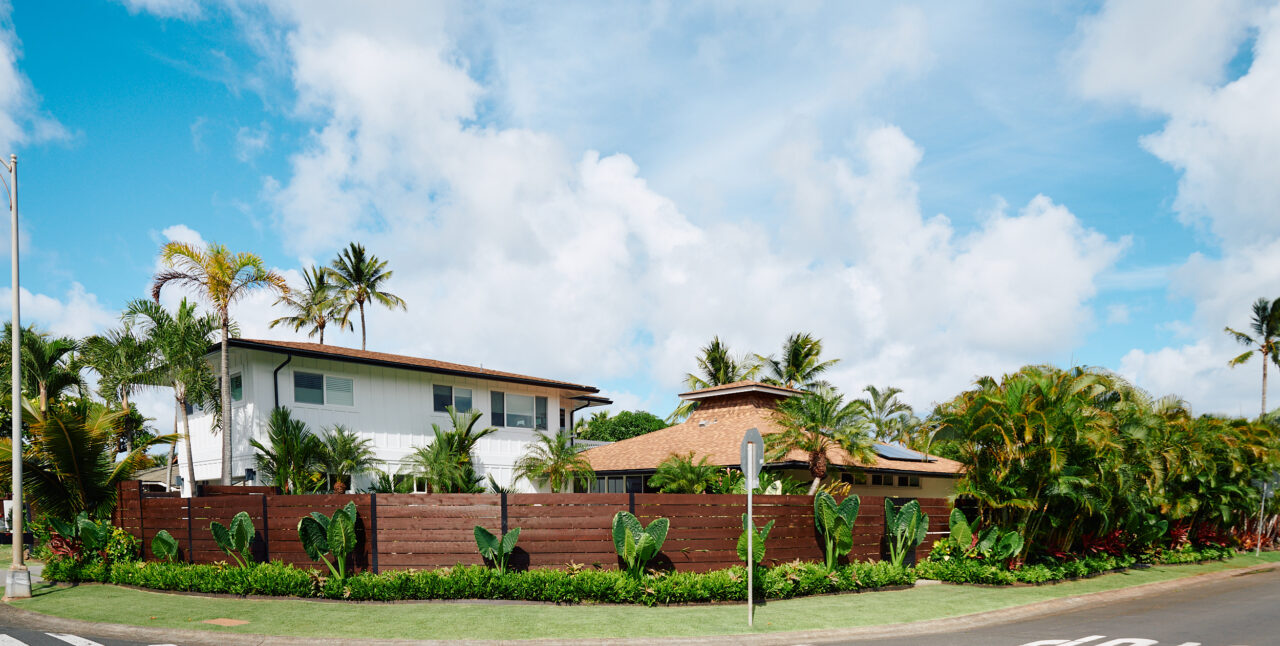
Hawaiʻi’s weather can change quickly. A stretch of hot, dry days can give way to several days of steady rain, and when the wetter season arrives, all that extra water can put your yard to the test.
Preparing your landscape before the rain picks up can help protect your lawn, plants, trees and property. A little maintenance now can also reduce flooding problems, limit erosion and keep your outdoor spaces looking good throughout the season.
Here are a few ways to get your landscape ready for wetter weather on Oʻahu.
Check Your Yard’s Drainage
Good drainage becomes especially important during periods of frequent or heavy rain. Walk around your property and look for low spots where water tends to collect. Pay attention to areas near your home, retaining walls, walkways and driveways.
Standing water can damage grass and plants when roots remain saturated for too long. It can also turn sections of your yard into muddy areas that take days to dry.
Clear leaves, soil and other debris from existing drains before the rainy season gets going. If water consistently collects in the same places, your property may need additional drainage work or changes to the landscape grade.
Clean Gutters and Drainage Areas
Your landscaping and your home’s drainage system work together. Clogged gutters can send large amounts of water into garden beds or along the foundation instead of directing it toward the proper drainage area.
Keep gutters, downspouts, storm drains and drainage channels clear. Around the yard, remove piles of leaves and green waste that could wash into drains during a storm.
On larger commercial or HOA properties, regular inspections can be especially helpful because one clogged drain can affect a much larger area.
Trim Trees and Overgrown Plants
Rain often arrives with stronger winds, making tree and shrub maintenance an important part of storm preparation.
Look for dead branches, damaged limbs and heavy growth that may become a problem during bad weather. Trees growing close to roofs, fences, power lines or parking areas may need extra attention.
Shrubs and hedges can also become heavy when saturated with water. Routine trimming helps keep plants manageable while maintaining the clean appearance of your property.
Larger tree work should always be handled carefully, especially when branches are near structures or electrical lines.
Protect Areas Prone to Erosion
Sloped properties are common throughout Oʻahu, and heavy rain can quickly move exposed soil downhill. Over time, that can create channels in the landscape, expose plant roots and wash soil onto sidewalks or neighboring properties.
Ground cover can help hold soil in place. Mulch may also reduce the direct impact of rainfall on bare soil while helping garden beds retain a finished appearance.
If you already see soil washing away after storms, address the area before another stretch of heavy rain makes the problem worse.
Adjust Your Irrigation Schedule
Your irrigation system shouldn’t continue watering at the same rate when Mother Nature is already doing the work.
Reduce irrigation during rainy periods and check your system after major storms. Automatic systems with rain sensors can help prevent unnecessary watering, but they still need occasional inspection to make sure everything is operating correctly.
Watch for broken sprinkler heads, clogged drip lines and areas receiving too much water. Excess irrigation combined with frequent rainfall can leave lawns saturated and contribute to fungus, root problems and wasted water.
Keep Your Lawn Maintained
Regular mowing remains important during a rainy season, although timing matters.
Grass can grow quickly with additional moisture, and an overgrown lawn can become difficult to manage. Try to mow when the grass is reasonably dry rather than immediately after heavy rainfall.
Avoid cutting the lawn excessively short. Healthy grass provides coverage for the soil and can help reduce erosion during periods of rain.
Commercial properties and HOAs may also need more frequent monitoring during wet stretches because fast-growing grass and weeds can quickly affect the overall appearance of the property.
Watch for Plant Health Problems
Warm temperatures combined with frequent moisture can create favorable conditions for certain fungi, pests and plant diseases.
Check your lawn and landscaping for unusual discoloration, spots on leaves, wilting, mushrooms or sections of grass that appear unhealthy. Catching a problem early usually gives you more options for addressing it before it spreads.
After prolonged rainfall, inspect plants in areas that tend to stay wet. Some plants tolerate saturated soil better than others, so recurring problems may be a sign that the landscaping needs to be adjusted.
Clean Up Before the Next Storm
One of the simplest ways to prepare for rainy weather is to keep the property clean.
Remove fallen palm fronds, branches, leaves and loose green waste regularly. During heavy rain, debris can move across the property and block drains or collect against fences and structures.
Routine cleanup also makes it easier to spot drainage, erosion or plant health problems before they become bigger maintenance issues.
Get Your Property Ready for the Rain
Preparing for Hawaiʻi’s rainier months comes down to keeping water moving where it should, maintaining healthy landscaping and addressing potential trouble spots early.
Koʻolau Landscaping provides professional landscaping and property maintenance services across Oʻahu. From routine lawn and landscape care to irrigation, cleanup and commercial property maintenance, our team can help keep your property ready for changing weather throughout the year.
If your yard or property needs attention before the rainy season, contact Koʻolau Landscaping to schedule service.