
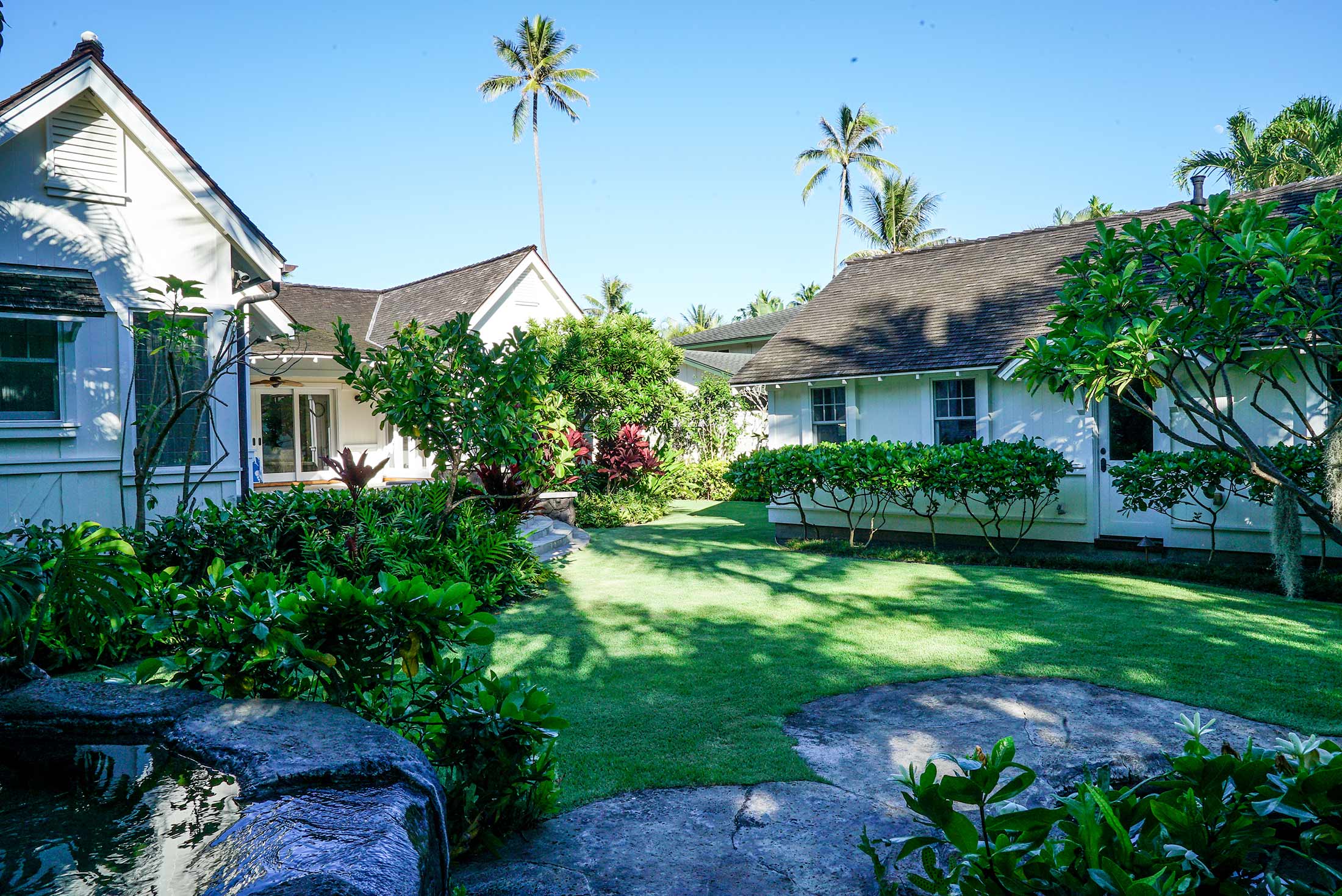
Creating a beautiful outdoor space in Hawaii requires more than just planting a few palms and calling it paradise. Successful landscape design for island properties demands careful planning, local knowledge, and an understanding of our unique environmental conditions.
Start with Your Island Climate Zone
Hawaii’s microclimates vary dramatically even within short distances. A property on the windward side faces different challenges than one in leeward areas. Before selecting any plants, assess your specific location’s rainfall patterns, sun exposure, wind conditions, and salt air proximity. These factors determine which species will thrive versus merely survive on your property.
Choose Plants That Belong Here
Native and well-adapted plants aren’t just environmentally responsible, they’re practical. Species like naupaka, ti plants, and Hawaiian hibiscus have evolved for our conditions. They require less water, resist local pests better, and maintain their appearance through changing seasons. Mixing native plants with proven non-invasive ornamentals creates visual interest while ensuring long-term landscape health.
Design for Year-Round Beauty
Unlike mainland properties with distinct seasons, Hawaii landscapes should look good twelve months a year. Layer your design with plants offering varied textures, heights, and bloom times. Combine bold-leafed tropicals with delicate ornamental grasses. Use flowering shrubs that don’t all peak simultaneously. This creates constant visual appeal rather than seasonal highs and lows.
Plan Your Hardscape Thoughtfully
Pathways, patios, and retaining walls form your landscape’s backbone. In Hawaii’s rainy climate, proper drainage isn’t optional, it’s essential. Permeable materials like decomposed granite or properly spaced pavers prevent water pooling. Consider how heavy rains will move across your property and design accordingly. Well-planned hardscape also reduces maintenance by defining clear borders between lawn, garden beds, and entertainment areas.
Create Functional Outdoor Living Spaces
Hawaii’s weather invites outdoor living. Designate specific zones for different activities: dining areas with overhead shade, open lawn spaces for recreation, and quiet garden corners for relaxation. Incorporate natural windbreaks using hedges or strategically placed structures. Position seating to capture prevailing breezes while avoiding harsh afternoon sun.
Think Long-Term Maintenance
A stunning design that demands constant upkeep becomes a burden. Select plants appropriate for their mature size, not just how they look in the nursery. Group plants with similar water and maintenance needs together for efficient care. Design clean, defined edges that prevent grass from invading garden beds. Include adequate mulched areas to suppress weeds and retain soil moisture.
Work with Your Property’s Natural Features
Don’t fight your land’s existing topography and characteristics. Slopes, rocky areas, and mature trees present opportunities rather than obstacles. A skilled designer incorporates these elements, creating landscapes that feel organic and established rather than imposed.
Professional Guidance Pays Off
While DIY enthusiasm is admirable, professional landscape design prevents costly mistakes. Experienced landscapers understand local soil conditions, know which irrigation methods work best for different areas, and can anticipate problems before they occur.
At Ko’olau Landscaping, we’ve spent twenty years understanding what creates lasting beauty in island landscapes. Great design isn’t just about aesthetics, it’s about creating sustainable, functional outdoor spaces that enhance your property’s value and your quality of life.