
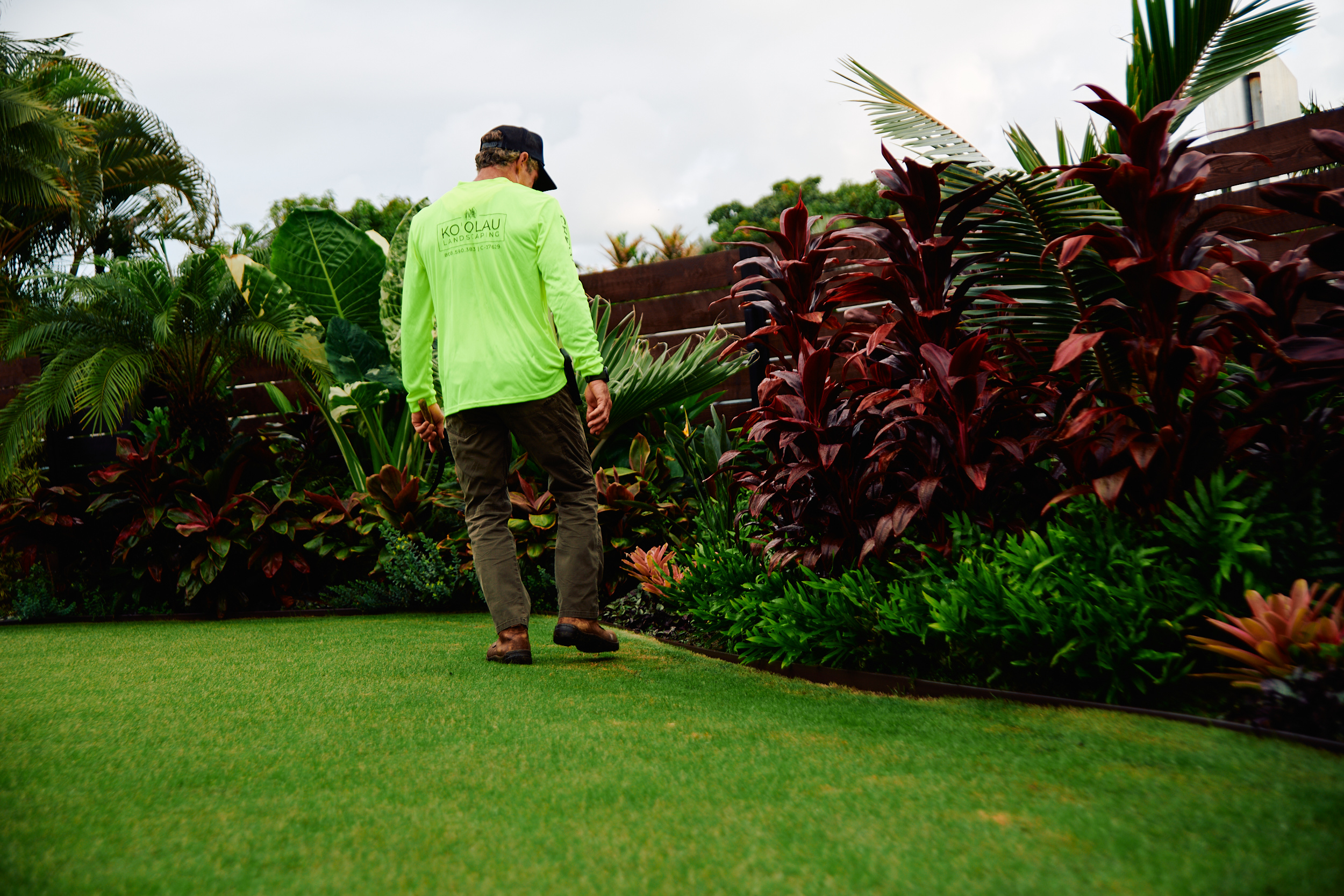
A commercial landscape site walkthrough is the first practical step toward getting a clear scope, realistic proposal, and maintainable plan. For property managers and HOA decision-makers on Oahu, the goal is not just to “look at the property,” but to document what matters before work begins: the site’s priorities, zones, access points, irrigation concerns, drainage notes, reporting expectations, and the next steps for a written scope.
Koʻolau Landscaping describes commercial landscape services on its commercial services page. Use the walkthrough to discuss your property’s needs and confirm the proposed scope in writing.
What should a commercial walkthrough answer?
A useful walkthrough should produce a clear answer to a few simple questions:
- What areas are included in the work?
- Who uses or oversees each area?
- What does the property need most right now?
- What service frequency or project timing is being requested?
- What site conditions should be considered before a proposal is prepared?
Those questions matter because commercial landscapes are usually not managed like a one-size-fits-all residential yard. HOA common areas, entry monuments, parking-lot edges, turf zones, irrigation systems, and seasonal presentation standards can all require different levels of attention.
What to prepare before the walkthrough
A good walkthrough starts before anyone steps onto the property. The manager or HOA representative should prepare a basic packet or checklist so the site visit can stay focused.
Ask for these items in advance
- A current site map or plat, if available
- A list of the areas to include in the review
- The property goals: maintenance, renovation, cleanup, irrigation repair, or a mix
- Access instructions for gates, service roads, or restricted areas
- The preferred contact for follow-up questions
- Any existing maintenance notes or known problem areas
- The reporting format the client wants after the visit
If any of these items are unavailable, that is okay. The walkthrough can still happen, but missing details should be identified and confirmed in the written scope.
Bring a simple worksheet
A practical worksheet helps keep the visit organized. Use a form with space for:
- Property name
- Date of walkthrough
- Contact person
- Areas reviewed
- Observations by zone
- Irrigation notes
- Drainage notes
- Safety or access notes
- Questions needing follow-up
- Proposal items to include or exclude
This is also the right time to distinguish between recurring maintenance and one-time work. If the request includes cleanup, renovation, or installation, the proposal may need separate line items or separate phases.
What should be reviewed on site?
The walkthrough should move zone by zone. That way, the review reflects the actual property instead of a general impression.
1. Property boundaries and landscape zones
Start by identifying where the work begins and ends. Confirm which spaces are part of the contract discussion and which are not. On larger Oahu commercial sites, that may include front entries, perimeter beds, common green space, medians, stairways, courtyards, or HOA shared areas.
Questions to settle:
- Which zones are included in the scope?
- Are there areas with different service needs or access limits?
- Are any spaces seasonal, restricted, or handled separately?
2. Access and logistics
Access affects how maintenance is performed and how efficiently the crew can work. The walkthrough should note entry points, lock or gate procedures, vehicle access, and any time restrictions.
Questions to settle:
- What access is needed for regular service?
- Are there gates, keys, codes, or escort requirements?
- Are there loading or parking limits?
- Are there tenant, resident, or business-hour restrictions?
3. Irrigation observations
Koʻolau Landscaping’s service list includes irrigation installation and repair, so irrigation should be part of the walkthrough if the property has an irrigation system or suspected watering issues. The visit should note visible concerns, but not turn into a technical diagnosis unless that is part of the written scope.
Questions to settle:
- Are there known dry areas or overspray concerns?
- Are any sprinklers visibly damaged or out of alignment?
- Is the system part of routine maintenance, a repair request, or a separate project?
- Who should approve irrigation-related work?
4. Drainage and water movement
Drainage can affect plant health, turf condition, erosion risk, and general site appearance. If standing water, runoff paths, or erosion are visible, those notes should be captured for proposal planning.
Questions to settle:
- Are there areas that hold water after rain or irrigation?
- Are there visible runoff paths or pooling concerns?
- Is drainage a maintenance note, a repair issue, or a renovation topic?
5. Plant condition and landscape presentation
The walkthrough should record visible plant conditions and flag possible replacements or further assessment for discussion. For HOA and commercial properties, this is often less about individual plant preference and more about uniform presentation and reliable upkeep.
Questions to settle:
- Which areas need routine maintenance only?
- Which areas may need renovation or replanting?
- Are there recurring presentation concerns at entrances or shared spaces?
- Is the request focused on appearance, plant health, or both?
How to turn observations into a usable proposal
A walkthrough is only useful if it leads to a written next step. After the site visit, the proposal should reflect what was actually observed and what the client agreed to consider.
Good proposal structure
- Scope by zone or area
- Service type for each area: maintenance, irrigation repair, installation, cleanup, renovation, or design support
- Any exclusions or assumptions
- Access or scheduling notes
- Reporting expectations, if any
- Client approval step before work begins
If something is uncertain, do not force it into the scope. Instead, frame it as a question to confirm in writing. For example:
- Should this area be included in the recurring maintenance plan?
- Should irrigation issues be quoted separately?
- Should these beds be renovated now or maintained as-is?
- Should the proposal include a one-time cleanup before recurring service begins?
That approach helps avoid confusion later and gives property managers a cleaner approval process.
What should property managers and HOA boards ask during the visit?
Use the walkthrough to gather the details that affect decision-making.
Helpful questions to ask
- What is the recommended scope for this property?
- Which items are recurring and which are one-time?
- What needs to be confirmed before a proposal is finalized?
- Are there any site conditions that affect access or scheduling?
- What information do you need from us to complete the written scope?
If the property has multiple decision-makers, the walkthrough should also clarify who approves the final proposal and who receives updates once work begins.
A simple pre-walk checklist
Use this checklist to prepare for a commercial landscape site walkthrough:
- Confirm the property name and address
- Identify the primary contact
- Gather a site map or zone list
- State the project goals clearly
- Note access requirements
- List known problem areas
- Decide whether irrigation should be reviewed
- Decide whether drainage should be reviewed
- Clarify whether the request is maintenance, renovation, installation, or cleanup
- Ask how the final report or proposal should be delivered
- Confirm who approves next steps
FAQs
Is a commercial walkthrough different from a residential estimate?
Yes. Commercial and HOA walkthroughs usually need clearer zone identification, access review, and approval coordination. Residential projects may be simpler, but the same basic principle applies: confirm the scope before work starts.
Should irrigation and drainage always be included?
Not always. They should be included when they are part of the request or when visible site conditions make them relevant. If not, they can be handled as separate questions in the scope.
Can a walkthrough help with recurring service planning?
Yes. It can help define what belongs in a routine maintenance plan versus what should be quoted as a one-time project.
What if the property manager is not sure what to ask for?
That is normal. A good walkthrough should help identify the important questions and turn them into a written scope.
If you are planning commercial landscape maintenance, irrigation work, or a property review on Oahu, Koʻolau Landscaping’s service information and contact page are a practical place to start: Commercial Landscaping Oahu and Contact Koʻolau Landscaping.