
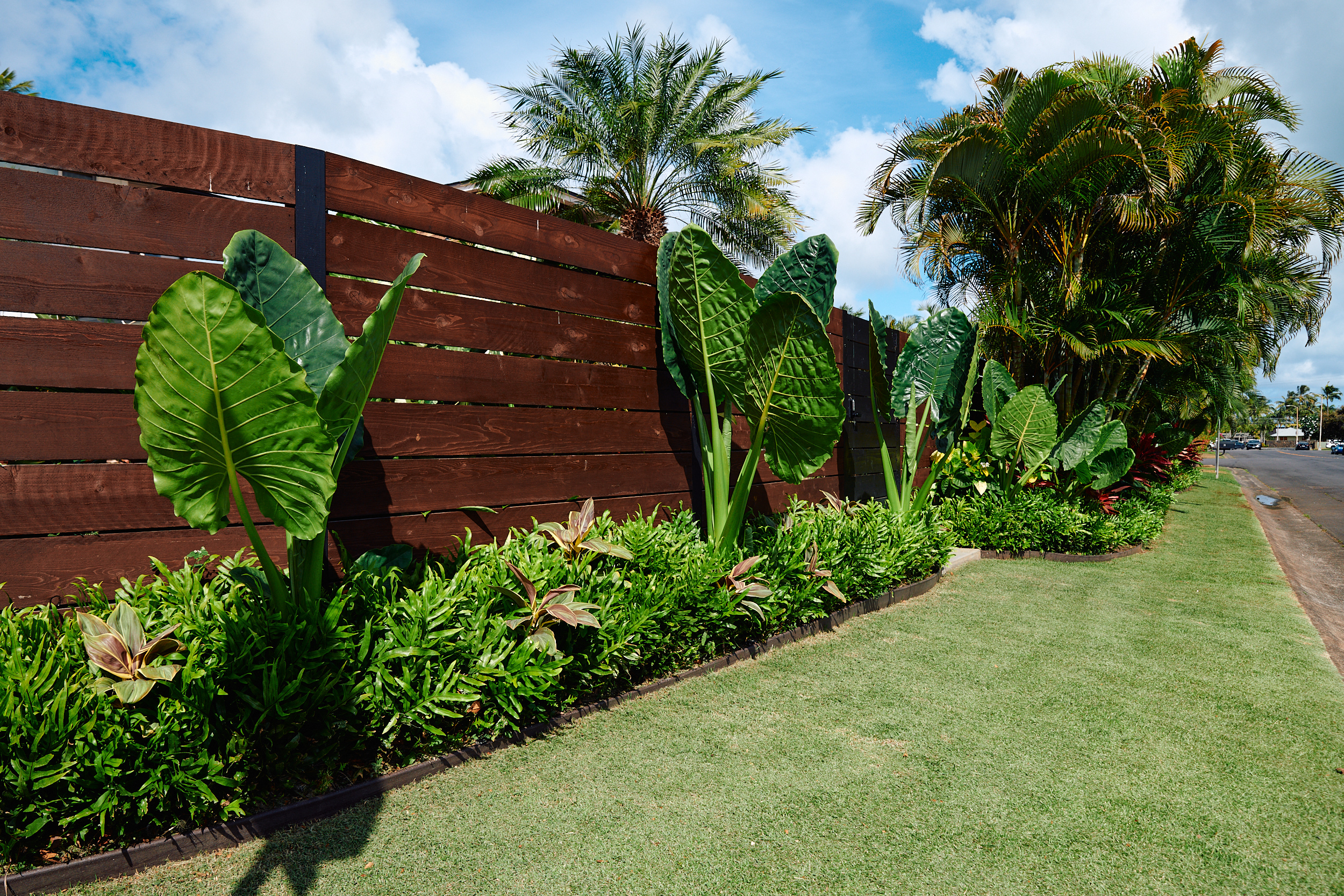
A landscape renovation is easiest to manage when the project starts with a clear conversation about goals, site conditions, and scope. For Kailua homeowners, the practical question is not just “What should the yard look like?” but “What needs to work on this property, and what should be included in the written plan?” That early clarity helps a renovation move from ideas to a workable design, installation, and follow-up schedule.
If you are considering a residential project in Kailua, this guide walks through the questions to ask, the decisions to document, and the checklist to use before work begins. It also points you to relevant residential service information from Ko’olau Landscaping: services and residential landscaping in Honolulu.
What should you decide before a landscape renovation starts?
Before any design or installation work begins, it helps to separate the project into a few basic decisions:
- What problems are you trying to solve?
- Which areas of the property are included?
- What should stay, and what should be removed or replaced?
- What level of maintenance are you comfortable with after installation?
- What budget range or phased approach is realistic for your household?
Those answers do not need to be perfect on day one. They do need to be specific enough to shape the scope. A renovation can be as simple as refreshing selected planting beds, or it can involve a broader combination of design, installation, irrigation repair or installation, drainage considerations, lighting, cleanup, and ongoing maintenance. The key is to identify the parts that matter for your property before the work is priced or scheduled.
What should you prepare for the initial walkthrough?
A walkthrough is the best time to translate general goals into visible site conditions. You do not need a polished plan. You do need useful context. Before the visit, consider preparing the following:
A simple property worksheet
Write down the basics in one place:
- The parts of the yard you want to change
- Areas that are working well and should remain
- Any drainage concerns you already notice after rain
- Irrigation issues, if any zones are not performing as expected
- Shade, wind, salt exposure, or other conditions you already see on the site
- Access concerns for equipment, materials, or narrow side yards
- Any pets, gates, or household routines that affect work timing
A short photo list
Take a few current photos of the spaces you want to discuss. Include wide shots and a couple of close-ups that show what is happening on the ground. This gives everyone a shared reference point and can help clarify what should be part of the written scope.
Your priority order
If your project includes several goals, rank them. For example:
- Improve the overall layout
- Replace tired or damaged planting areas
- Address irrigation or drainage concerns
- Reduce maintenance demands
- Add finishing details such as lighting or cleaner transitions between spaces
A priority list helps keep the project focused if the plan needs to be phased.
For background on design decisions, see landscape design principles for Hawaiʻi properties. This guide focuses on the decisions and handoffs in your renovation.
What questions should you ask during the design stage?
The design stage is where the renovation moves from general ideas to specific choices. Instead of asking only “What looks good?”, ask questions that connect appearance, maintenance, and practicality.
Questions to ask about the design
- What are the main goals of the proposed design?
- Which areas are being treated as priorities?
- How will the design fit the property’s existing conditions?
- Which elements are included in the scope, and which are not?
- What maintenance level should you expect after installation?
- If the project is phased, what belongs in phase one versus later phases?
These questions help you compare options without assuming that every idea has to happen at once. They also help avoid confusion later if you want to protect certain plants, preserve specific areas, or simplify the final layout.
For homeowners who want a broader overview of service categories, Ko’olau Landscaping’s services page describes its service categories.
What should be written into the scope before installation?
A written scope keeps the project aligned from start to finish. If you are reviewing a proposal or project plan, confirm that it clearly answers the following:
- Which areas are included in the renovation
- What existing material, plants, or features will be kept, removed, or replaced
- Whether irrigation repair or installation is included
- Whether drainage work is part of the plan or outside the scope
- Whether lighting is included
- Whether cleanup is included after installation
- Whether the project includes follow-up care or a maintenance transition
If something matters to you, ask whether it is included in writing. If it is not included, ask whether it can be added or handled separately. This is especially important when a renovation combines planting changes with infrastructure-related work such as irrigation or drainage.
How should installation dependencies be coordinated?
Every property is different, so the exact schedule and workflow should be confirmed in writing. But in general, a renovation becomes easier to manage when the plan is divided into steps.
Decision checkpoints to agree before work starts
- Confirm the approved scope, protected features and access arrangements.
- Ask the contractor which irrigation, drainage and site-preparation tasks must happen before planting or finishing work.
- Agree on who approves changes and how dependencies affect the schedule.
- Confirm cleanup, completion review and care instructions.
These are coordination questions, not a construction sequence. The qualified project team should set the actual work order for your site.
What should you ask after installation?
After the work is complete, the project should not feel like a mystery. Ask for clear follow-up information so the new landscape has a better chance of settling in well.
Post-installation questions
- What care is needed immediately after installation?
- How should watering be handled if irrigation changes were part of the project?
- Are there areas that need extra attention during the first few weeks?
- Are there any features that need a follow-up visit or adjustment?
- What should you watch for as the landscape establishes?
If your renovation was designed to reduce maintenance, ask what the new routine should look like. If your project was phased, ask what the next phase should be and what conditions would make that step appropriate.
A simple checklist for Kailua homeowners
Use this quick checklist before you move ahead:
- Define your top three goals
- List the spaces you want included
- Note what should stay in place
- Record irrigation, drainage, and access concerns
- Gather a few current photos
- Decide whether the project should be done all at once or in phases
- Ask what is included in the written scope
- Confirm what follow-up or maintenance information will be provided
You can also review Ko’olau Landscaping’s residential landscaping in Honolulu page if you want to understand how the company describes recurring plans and one-time residential projects online.
Frequently asked questions
Do I need a full redesign for a landscape renovation?
Not always. Some projects focus on selected areas, while others involve broader changes. The right scope depends on your goals, site conditions, and budget.
Should irrigation be part of the conversation?
If your landscape depends on irrigation, yes. Ask whether repair, adjustment, or installation is part of the project or a separate item.
Can a renovation be phased?
Often, yes. If your property has several needs, a phased plan can help prioritize the most important work first. Confirm the phase structure in writing.
What if I only want to improve a few areas?
That is still a valid renovation question. You do not need to change the entire property to make meaningful progress. The scope should match the spaces you want to improve.
Ready to talk through your project?
If you are planning a landscape renovation in Kailua, start with a clear walkthrough, a short checklist, and a written scope that reflects your priorities. Ko’olau Landscaping’s residential service information is available online, and the next step is to ask practical questions about what your property needs.
To discuss your property, Contact Ko’olau Landscaping.