
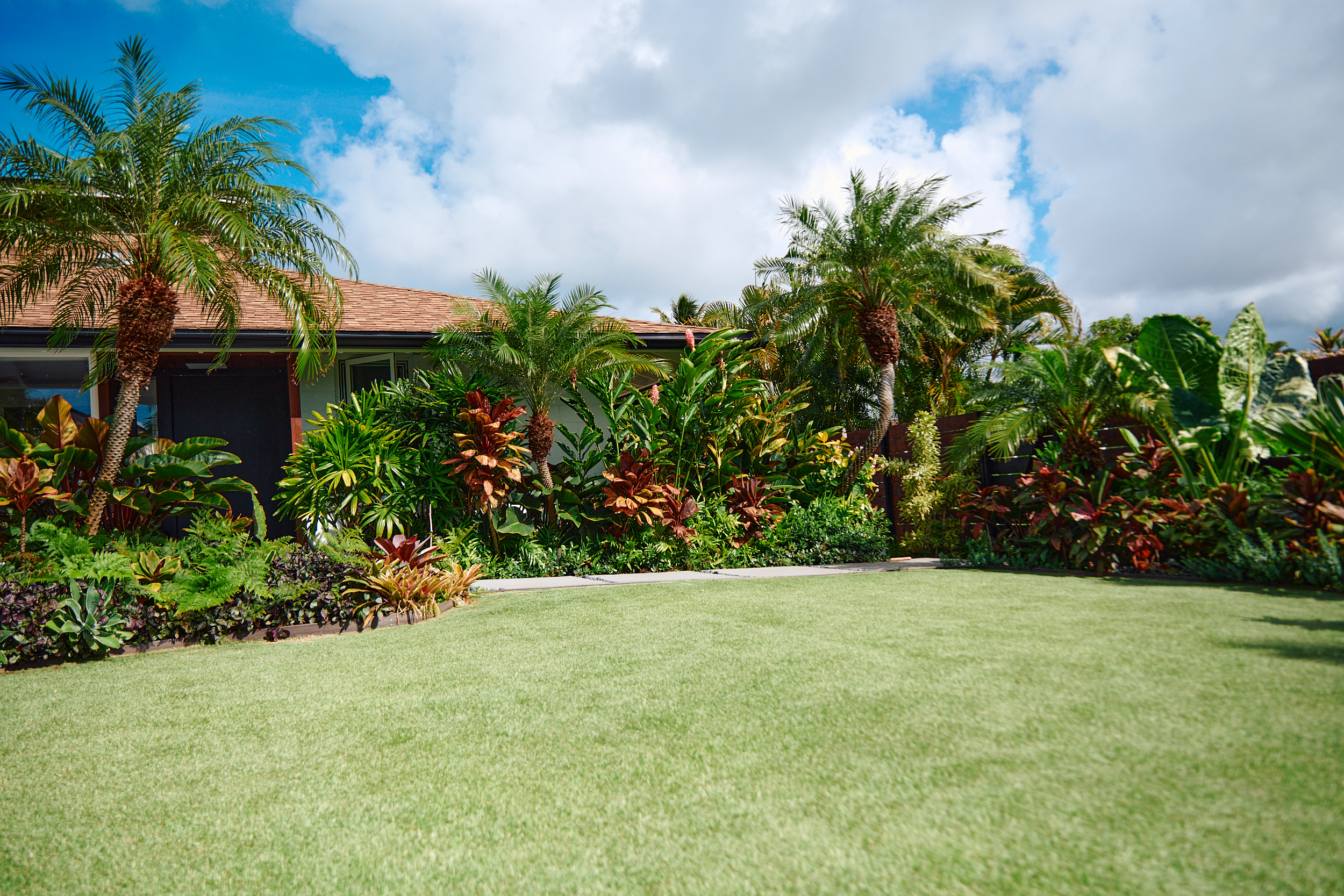
If you are reviewing a landscape maintenance plan for an Oahu property, the most useful approach is to treat the agreement like a checklist: what is included, what is not included, what must be approved separately, and how property issues are reported back to you. For homeowners, that means knowing which parts of the yard are covered and which requests need a separate estimate. Commercial properties and HOAs benefit from the same clarity.
A good plan should not just say “maintenance” and leave the details vague. It should define the recurring tasks, the condition of the property, the scope of irrigation observations, and the process for handling extra work. If you are comparing providers, ask for a property-specific plan rather than a generic list.
What should be written into a landscape maintenance scope?
Start with the basics: what does the crew do on each visit, and what is considered outside the normal routine? A clear written scope helps avoid missed expectations later.
Ask these questions:
- Which recurring tasks are included at every visit?
- Are the tasks the same for every area of the property, or do some zones need different care?
- What is excluded unless you approve it separately?
- How are seasonal changes or property changes handled?
- Is the plan customized for the site, or is it a standard template?
For Oahu properties, this matters because no two sites are identical. A maintenance plan for a residential yard may look very different from a plan for a commercial frontage, a condominium landscape, or a shared HOA common area.

What recurring tasks should you confirm?
Your written scope should identify the regular work that the provider will perform. Exact tasks depend on the property, but the plan should state them clearly in plain language.
Useful items to confirm include:
- Lawn mowing or other turf care, if applicable
- Edging and trimming where needed
- Hedge and shrub maintenance
- Blowing or cleanup of walkways and visible hardscape areas
- General tidying of planted areas
- Basic site appearance checks
- Removal of routine landscape debris generated during the visit
Do not assume every service includes the same level of attention. Ask whether the provider will maintain only the areas agreed to in writing, and whether there are spaces that are intentionally excluded.
If you want a broader view of recurring service options, you can also review Ko'olau Landscaping’s residential landscaping information here: residential landscaping.
What should be excluded unless separately approved?
One of the most important parts of a maintenance plan is the exclusion list. This is where you protect yourself from surprise charges or confusion about what the crew was expected to do.
Common questions to ask:
- Are debris hauling, major cleanups, and one-time restoration projects included or separate?
- Are replanting, plant replacement, or renovation work part of the recurring plan?
- Are drainage fixes, lighting work, or design changes excluded unless authorized?
- Are irrigation repairs included, or only observations and reporting?
- Does the plan cover only routine maintenance, not construction or renovation?
Ko'olau Landscaping’s service information lists landscape design, installation, maintenance, irrigation installation and repair, drainage, lighting, renovations, and cleanups. That means a maintenance agreement should still make the line clear between recurring maintenance and separate project work.
How should irrigation observations be handled?
Irrigation is one area where a maintenance plan should be especially specific. A recurring crew may notice visible problems, but observation is not the same as diagnosis or repair.
Ask whether the plan covers:
- Visual checks for obvious issues during service visits
- Reporting of broken, leaking, or misfiring components that are noticed on site
- Escalation steps if irrigation issues appear to affect plant health or coverage
- Whether irrigation repairs require a separate authorization
- Whether installation, replacement, or upgrades are separate services
A practical plan should say what the crew will look for and how those observations are communicated to you. It should not promise technical evaluation unless that is specifically part of the agreement.
What is the difference between maintenance and a project?
A recurring maintenance plan is for repeated care. A project is for something that changes the site.
Examples of project-type work that should usually be approved separately include:
- Landscape renovation
- Major cleanup beyond the usual visit scope
- New plant installation
- Irrigation installation or significant repair work
- Drainage work
- Lighting additions or changes
- Design changes to the property
If you are managing a commercial site or HOA, this distinction matters because maintenance budgets and project budgets are often handled differently. The agreement should say when the provider needs separate approval before moving forward.
How much property detail should the plan include?
The more specific the property, the more useful the plan. A strong maintenance document should describe the site instead of assuming a one-size-fits-all schedule.
Ask for a plan that identifies:
- The areas covered by recurring service
- Any areas excluded from service
- The type of landscape on the property
- Any special access instructions or site rules that apply
- Who receives service updates or approval requests
For commercial and HOA landscapes on Oahu, a property-specific plan can help align the work with the site’s actual needs, not just a generic service menu.
What should you ask before you sign?
Before agreeing to a recurring plan, use the following questions as a worksheet:
- What exactly is included in each recurring visit?
- What is excluded unless I approve it separately?
- How are irrigation issues reported?
- What counts as maintenance, and what counts as a separate project?
- Can the scope be customized for my property?
- Who should I contact if the scope needs to change?
- Is the agreement written in site-specific terms, not just general language?
If the provider cannot answer these clearly, ask for a revised written scope before work begins.
When should you request a custom plan?
You should request a property-specific maintenance plan if:
- Your site has multiple landscape zones
- You manage a commercial property or HOA common area
- You expect both maintenance and occasional project work
- Your irrigation system needs regular observation or follow-up
- You want clear separation between routine service and extra-authorized work
A customized plan reduces guesswork and helps ensure the service matches the property’s actual conditions.
FAQ: Oahu landscape maintenance scope
Does a maintenance plan always include the same services?
No. The scope should be written for the specific property. A plan should list the recurring tasks and note what is excluded.
Should irrigation repairs be included in maintenance?
Not automatically. A plan may include irrigation observations, but repairs and installations should be clearly authorized if they are separate from routine care.
Is cleanup the same as a renovation?
No. Routine cleanup can be part of maintenance, while renovation or major restoration should be treated as a separate project unless the agreement says otherwise.
Should residential and commercial scopes be different?
Often yes. Commercial properties, HOAs, and residential homes can have very different access, appearance, and reporting needs.
Compare a written scope before choosing a plan
If you want a landscape maintenance plan that makes sense for an Oahu property, ask for more than a general promise of “regular care.” Ask for a written scope that defines the recurring tasks, the exclusions, the irrigation observation process, and the separate approvals needed for additional work.
That is the best way to compare providers and avoid surprises.
If you would like help discussing a property-specific scope, you can contact Ko'olau Landscaping here: contact. For more background on recurring service in Windward Oahu, see landscape maintenance for Kailua, Kaneohe, and Windward Oahu.