
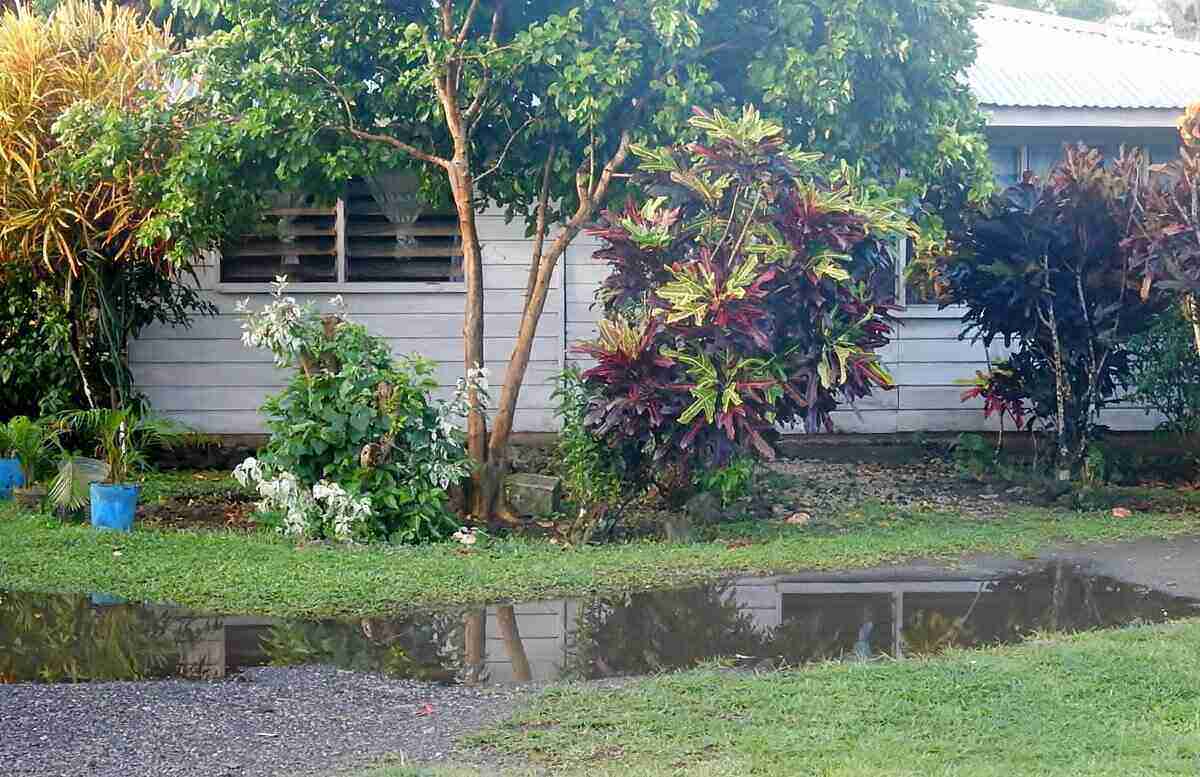
A beautiful landscape needs more than healthy plants, regular maintenance, and a good irrigation system. One of the most important parts of a successful landscape is something homeowners often do not think about until there is a problem: drainage.
On Oʻahu, heavy rain can quickly expose drainage problems around a home or commercial property. Standing water, muddy lawns, soil erosion, damaged plants, and water collecting near buildings can all be signs that your landscape is not moving water effectively.
At Koʻolau Landscaping, we understand the challenges that Hawaiʻi’s climate creates for residential and commercial properties. Proper landscape drainage can help protect your yard, improve plant health, reduce maintenance problems, and keep outdoor spaces looking their best throughout the year.
Why Landscape Drainage Is Especially Important in Hawaiʻi
Oʻahu has a wide variety of microclimates. Windward communities such as Kāneʻohe and Kailua can receive significantly more rain than many areas of Honolulu and Leeward Oʻahu. At the same time, even traditionally drier parts of the island can experience periods of intense rainfall.
When a large amount of rain falls in a short period, the water needs somewhere to go.
A properly designed landscape allows water to drain away from structures and move through the property without washing away soil or collecting in low areas.
When drainage is poor, problems can develop quickly.
Signs Your Property May Have a Drainage Problem
Some drainage problems are obvious, while others develop gradually.
One of the easiest signs to recognize is standing water that remains long after the rain has stopped. If portions of your lawn regularly turn into puddles or muddy areas, the soil may not be draining effectively or the property may need better grading.
Other warning signs can include:
- Soil washing away from slopes or planting beds
- Exposed plant roots
- Mulch repeatedly washing out of landscaped areas
- Constantly soggy grass
- Water collecting near foundations or walkways
- Plants struggling despite receiving adequate care
- Mud flowing onto sidewalks or driveways
- Low areas that remain wet for extended periods
Addressing these issues early can prevent a relatively small drainage problem from becoming a larger landscape repair project.
Grading Makes a Big Difference
One of the foundations of good landscape drainage is proper grading.
The shape and slope of the property determine where rainwater travels. Ideally, water should naturally move away from buildings and toward appropriate drainage areas.
Even small changes in elevation can have a major effect on where water collects.
During landscape improvements, grading certain areas can help redirect water away from problem spots. In some situations, soil can be added or reshaped to eliminate low areas where water regularly accumulates.
Every property is different, which is why drainage solutions should be designed around the existing terrain rather than taking a one-size-fits-all approach.
Plants Can Help Manage Water
Plant selection also plays an important role in managing rainfall.
Established plants and their root systems help hold soil in place, which can reduce erosion. This is particularly important on slopes and other areas where heavy rain can cause soil to move.
Groundcovers can also help protect exposed soil from the direct impact of rainfall.
Choosing plants that are appropriate for the specific conditions of your property can create a landscape that is both attractive and better equipped to handle Hawaiʻi’s weather.
The goal is not simply to plant more. It is to put the right plants in the right locations.
Irrigation and Drainage Should Work Together
It might seem unusual to discuss irrigation when talking about excess water, but the two systems are closely connected.
An irrigation system that runs too frequently or delivers too much water can make existing drainage problems worse. Areas that remain saturated after rainfall may not need additional irrigation for some time.
Broken sprinkler heads, leaking irrigation lines, and improperly adjusted watering schedules can also create wet spots that look like drainage problems.
Regular irrigation maintenance helps ensure your landscape receives the water it needs without unnecessary overwatering.
Drainage Helps Protect Your Landscaping Investment
Professional landscaping is an investment in your property.
Lawns, trees, shrubs, irrigation systems, planting beds, hardscapes, and other improvements all perform better when water is managed correctly.
Excess moisture can contribute to unhealthy turf, plant problems, erosion, muddy areas, and additional maintenance. Over time, correcting the same problems repeatedly can become more expensive than addressing the underlying drainage issue.
For commercial properties and HOA communities, drainage is especially important because landscape problems can affect common areas, sidewalks, parking areas, slopes, and other heavily used spaces.
Think About Drainage Before Your Next Landscape Upgrade
The best time to think about drainage is before installing a new landscape or making major improvements.
Before adding new turf, plants, planting beds, or irrigation, consider how water currently moves through the property. Areas that already experience standing water or erosion should be addressed as part of the overall landscape plan.
Taking drainage into consideration from the beginning can help create an outdoor space that is easier to maintain and better suited to Oʻahu’s environment.
Professional Landscaping Across Oʻahu
From rainy Windward neighborhoods to the warmer and drier areas of Honolulu and Leeward Oʻahu, every property has different landscaping needs.
With nearly 20 years of local experience, Koʻolau Landscaping provides professional landscape maintenance, design, irrigation, cleanups, and property improvements for residential, commercial, and HOA properties across Oʻahu.
If standing water, erosion, or poor drainage is affecting your property, our team can evaluate your landscape and help determine the best approach.
Contact Koʻolau Landscaping today to schedule a consultation and get a free estimate.